Home / Training / Cold Water Immersion and Rescue
Training · Two days
Cold Water Immersion and Rescue
This course provides rescuers and emergency response personnel a practical introduction to the effects of cold water immersion on the human body and the realities of hypothermia. Misconceptions and myths surrounding the effects of cold water can lead to inappropriate responses by the general public and rescuers alike. Course attendees will learn the truth about cold water and the realities of surviving an accidental cold water immersion. Rescue personnel will also learn advanced techniques and procedures for rescue and recovery of hypothermic victims of accidental cold water immersion.

Phase 1: Cold Water Immersion and Hypothermia
Basic Cold Facts
Definitions, misconceptions and myths, cold water statistics, and survivability models.
The Four Phases of Cold Water Immersion
The cold shock response, cold incapacitation, hypothermia, and circum-rescue collapse.
Survival and Self-Rescue
Cold water survival and self-rescue.
Day Two: In the Water
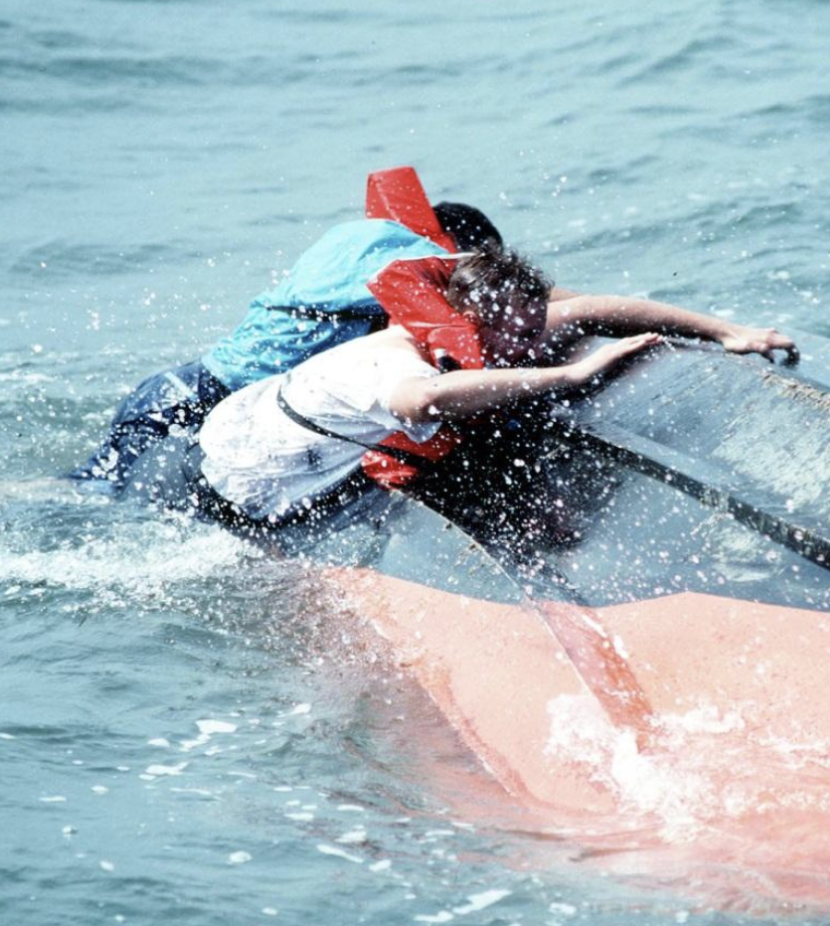
Up to eight pre-identified and approved students enter cold water in street clothes to experience the first two phases of accidental cold water immersion. That experience gives public safety personnel a more complete understanding of the realities of cold water, so they can better train and educate each other and the public they serve. Local EMS, rescue, and police are exposed to cold water rescue and recovery operations as part of the required support and observation teams.
Phase 2: Cold Water Rescue, Recovery, and Rewarming
Sizing Up the Rescue
Victim identification and evaluation, and rescue and recovery equipment.
Recovery Techniques and Procedures
High freeboard, moderate freeboard, RHIBs and inflatables, and beach rescue. Initial patient care and packaging for transport.
Transport, Triage, and Rewarming
Transport techniques and procedures, and triage and pre-hospital rewarming of hypothermic victims.
Case Histories and Review
Real cases, reviewed for what went right and what went wrong.
Day Two: In the Field
Rescue and EMS personnel observe the realities of accidental cold water immersion and, using the gear at their department’s disposal, perform every rescue procedure discussed, from rescue and recovery through triage, rewarming, and transport of victims. Hands-on training in a controlled environment, with live victims of cold water immersion.
Course Materials
Every student receives a copy of Hypothermia, Frostbite & Other Cold Injuries for further study, along with a course booklet. All immersion and recovery procedures and post-swim interviews are video recorded and provided to the host department for future training.
Why This Course
Misconceptions and myths surrounding the effects of cold water can lead to inappropriate responses by the general public and rescuers alike.
The people in the water on day two come out of it understanding cold water in a way no classroom can give them, and the teams that pull them out get to practice on live victims in a controlled environment. Both go back to their departments able to train the people around them.
What the Host Department Provides
Day two requires implementation of the ICS by the host agency. The lead instructor acts as an assistant safety officer.
Classroom
A suitable classroom with comfortable seating for all participating students (maximum 24), and a projector and screen.
Rescue and Safety Teams
Four trained and qualified rescue personnel in dry suit ensembles with fins and rescue tubes suitable for prolonged exposure in cold water. Dive rescue personnel and equipment, and one ALS unit, on standby on scene. In natural water, at least one rescue boat and one boat for transportation. Department cold water recovery equipment, listed by the department and approved by the instructional team.
Rewarming Area
A heated tent, garage, or other spacious area with adequate lighting for triage and rewarming of in-water participants, and an abundant supply of cotton bath towels. Access to a hot tub is not required, but it is highly encouraged.
In-Water Participants
Fully dressed in street clothes, including rubber-soled shoes, that will be cut off and destroyed or possibly lost. Bring dry clothing for the afternoon. Food and beverages, including lunch, coffee, and water, for all involved personnel.